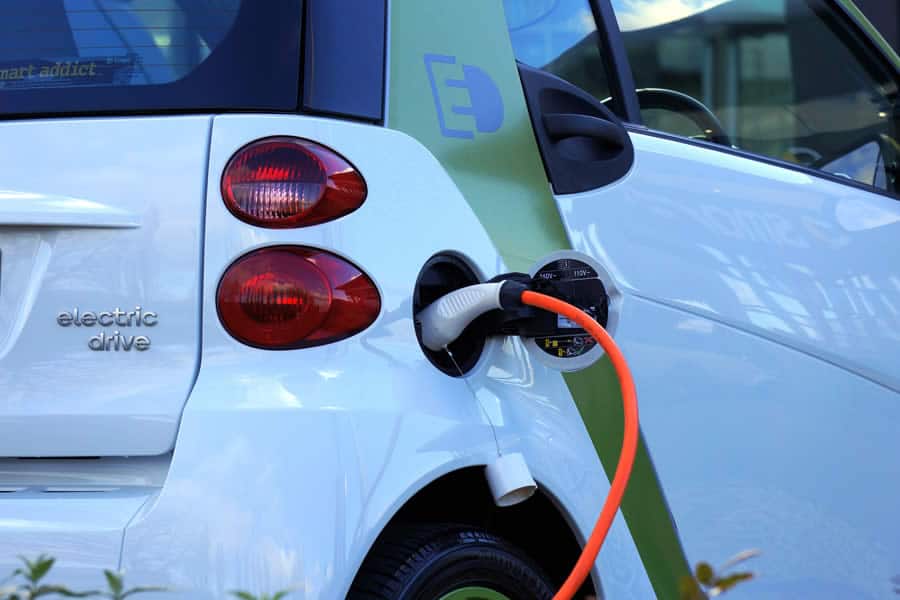
We would all like to do more to help with combating climate change and considering switching to an Electric Car is something that might be on your list.
But how practical is it?
Obviously, cost will be an important factor, but the other big issue is charging your vehicle. While there have been improvements to the network of charging points available when you are away from home, coverage is still by no means universally available. This does mean that for some long journeys you may have to plan your route carefully although EV ranges have improved considerably since the early days.
The other issue is charging your vehicle overnight at home.
Ideally, you should not charge your EV from an ordinary in-house 13 amp socket. It is far better, and easier to have a professionally-installed charging station fitted to an outside wall. This ensures that the supply used has been tested to be safe and will achieve a faster charging time. It is better, quicker and safer to avoid extension leads and to use the EVSE (Electric Vehicle Supply Equipment) charging cable.
As at January 2020, the Government will contribute £500 towards the cost of having a home charging station fitted, saving approximately £500 on the installation cost (source RAC).
But if you live in a flat or have to park on the road, you may not be able to consider an EV.
While the purchase price of a new EV is on average higher than for petrol or diesel powered engines, there are increasing numbers of second hand EVs coming onto the market and because they have not been around for as long as other types of car, their mileage is likely to be lower. While prices for second hand EVs typically start at £5000 it is worth remembering that you will make your money back quite quickly over time.
There are a number of things to consider when weighing up the costs.
Firstly, battery age. Typically, an EV battery lasts for ten years and its storage capacity will diminish over time. There are some schemes for leasing batteries, but otherwise you will eventually have to buy a replacement which can work out quite expensive.
The cost of insurance can also be higher for an EV as there are fewer people trained to service and repair them.
As with any second-hand vehicle you should ask for a fully stamped-up service history, sound electrics and no major faults. Ask questions about its service and accident history, suspension and overall performance. It is also worth asking about the previous owner’s charging habits, as this can affect battery performance. Look for a car that has received plenty of long, slow, overnight charges at home.
For further information the RAC publishes an excellent guide to all the questions you might have about EVs but it would seem there are benefits of petrol/diesel at this current time because of the practical restrictions of using electric. If you’re not quite ready for electric cars just yet, then please take a look at some great economical ones currently on my cars for sale page.